South Asia’s political crisis is now affecting cricket and culture. That’s a loss that must be repaired
Post Date
28 January, 2026
Author
Ipag
Prof. Syed Munir Khasru
The Indian Express January 24, 2026
Sport and culture, which for decades served as bridges when borders closed and dialogue failed, are now systematically weaponised as extensions of state policy.
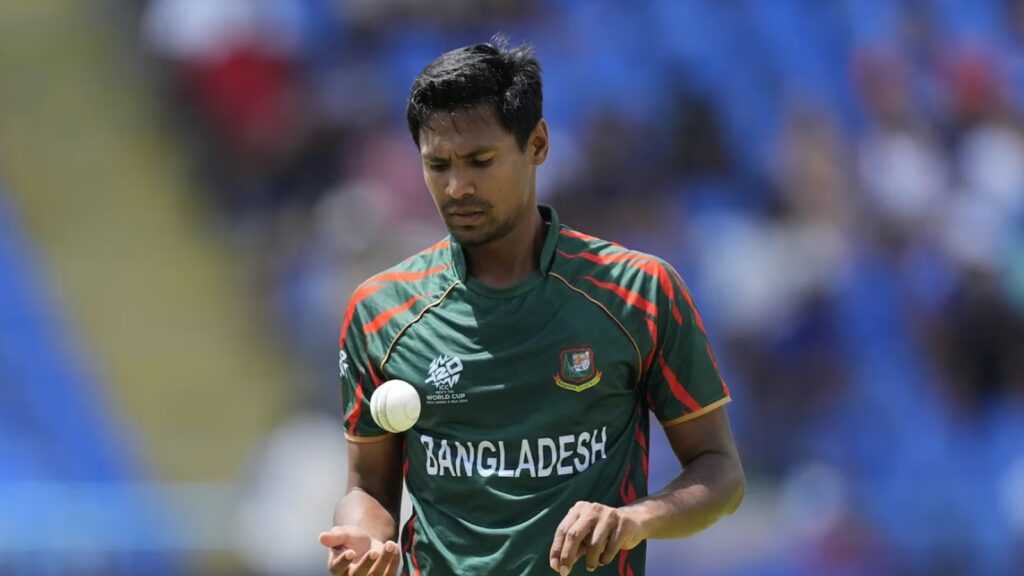
When politics invades every corner of public life, societies lose more than meets the eye. They start surrendering the few benign areas of exchange that support coexistence between neighbours. Across South Asia, a worrying transformation is underway. What started with the BCCI instructing IPL franchise Kolkata Knight Riders to release Bangladesh pacer Mustafizur Rahman has now grown into a full-blown crisis with the International Cricket Council (ICC) informing the Bangladesh Cricket Board (BCB) that if they don’t send a team to India for the T20 World Cup, they will be replaced by Scotland.
Sport and culture, which for decades served as bridges when borders closed and dialogue failed, are now systematically weaponised as extensions of state policy. The question facing South Asia is no longer whether it can afford to politicise the last remaining neutral spaces; it is whether the region should have a sensible reversal of course before it is too late.
Putting things into perspective, roughly 60-65 per cent of the EU’s trade takes place within the bloc, and even during political disagreements, trade, culture, and sport remain largely insulated. No footballer is dropped, no orchestra disbanded, no film banned because of a bilateral dispute. South Asia sits at the opposite end of the spectrum. Countries in the region have excelled in the art of mutual dragging down, with regional trade barely 5 per cent of their total trade within the region. However, for decades, cricket, cinema, music, and shared popular culture functioned as informal safety valves; spaces where politics softened and people interacted when governments could not. That fragile separation is now collapsing.
The India-Pakistan trajectory offers the starkest warning of what happens when political grievances colonise culture and sports. In the mid-2000s, Pakistani cricketers played in India and starred in the IPL’s early seasons. That era ended abruptly after the 2008 Mumbai attacks as bilateral cricket vanished. Pakistani players have been excluded from the IPL, and cultural exchange has suffered as a result. Politics did not resolve the underlying conflict; it severed the human connections that might have had an opportunity to soften its harshness.
Cinema followed the same path. When Pakistani actors began appearing in Indian films in the early 2010s, audiences on both sides of the border embraced the exchange. That opening collapsed after the 2016 Uri attack, when artists such as Mahira Khan were removed from Indian projects under intense political pressure. In May 2025, following the Pahalgam attack, Khan’s images were quietly removed from posters and album artwork of the Bollywood film Raees.
The importance of neutral spaces
The controversy surrounding Mustafizur Rahman represents a watershed moment in South Asian sports’ descent into political theatre. Signed by a Kolkata-based IPL franchise, he was dropped on “security grounds” amid rising political tension and online outrage, whereas his participation should have depended solely on form and fitness. In a letter to ICC, the BCB challenged the selective application of security, arguing that if nationality, supporters wearing national jerseys, or impending Bangladesh’s election were deemed risks, then the premise of hosting a global tournament became untenable.
Sports and culture industries operate on trust in contracts and institutions; when political winds override these principles, damage spreads quickly. Players lose careers, fans lose faith, and industries lose credibility. The economic cost is real. The IPL alone is valued at over US$10 billion, with broadcasting rights exceeding US$6 billion over five years. When Bangladesh banned the broadcast of the IPL 2026 in response to the controversy, the fallout extended to advertisers, broadcasters, sponsors, and fans, illustrating how quickly economic value is sacrificed. South Asia’s film, music, and entertainment industries depend on cross-border audiences and diasporas. Every political intervention shrinks markets and narrows creative space. While Europe understands this instinctively, South Asia ignores it recklessly.
The path forward requires institutional safeguards that require sporting bodies to enforce participation based solely on merit and contractual obligations, immune to political pressure. A few spaces must remain stubbornly and defiantly above politics — not because political disputes don’t matter, but because preserving these neutral zones is how societies retain the capacity to imagine themselves beyond conflict and keep the window open for better days ahead.
Soft power has the potential to overpower hard power. It can prevent tensions from turning into chasms. South Asia must protect these last bridges or watch them burn with the cost borne not by politicians but millions of ordinary people who simply want to watch a cricket match, enjoy a film, or hear a song without being forced to take sides.
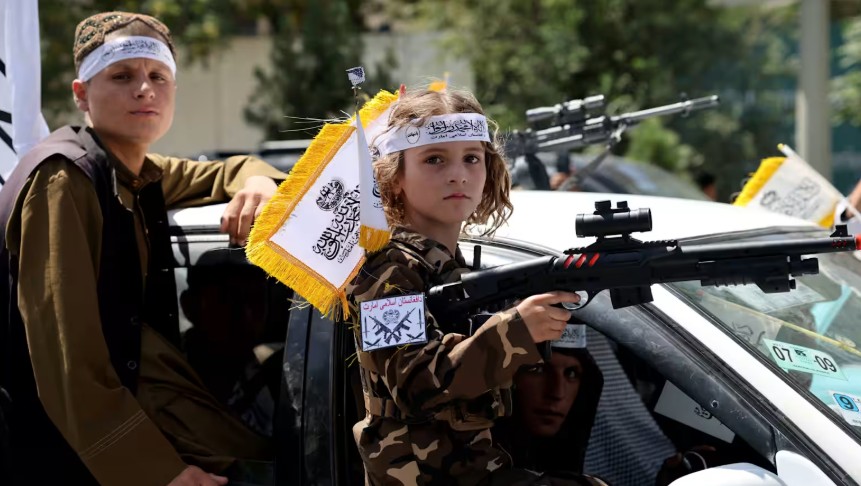
Prof. Syed Munir Khasru NIKKEI AsiaSeptember 22, 2026 https://asia.nikkei.com/opinion/engagement-with-taliban-can-pave-the-way-for-change-in-afghanistan Isolation could be counterproductive as Kabul sits at a geopolitical chokepoint Five years after the Taliban returned to power in Afghanistan, the world faces an uncomfortable reality: isolation has neither transformed the regime nor improved the
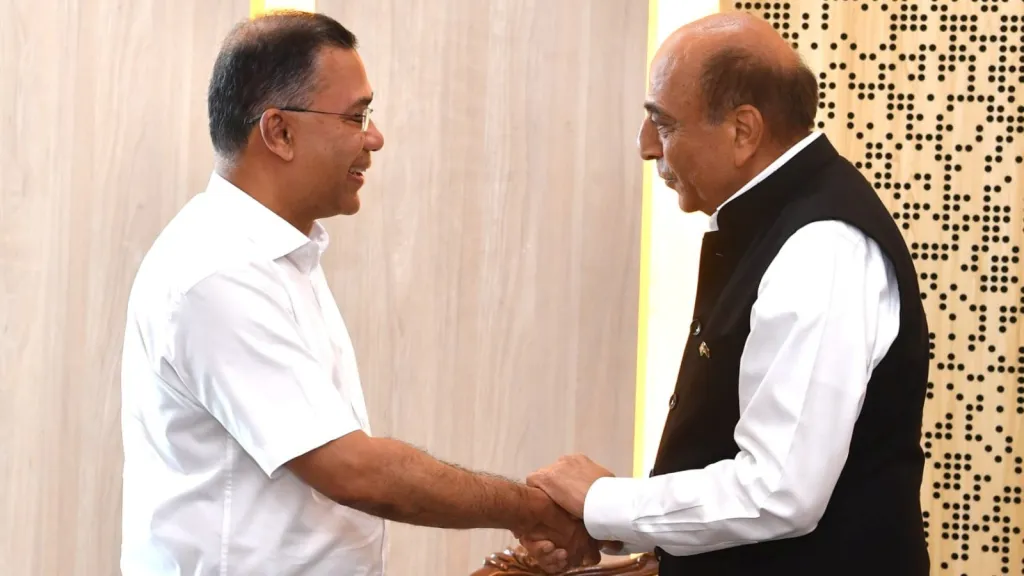
Prof. Syed Munir Khasru The Indian ExpressSeptember 8, 2026 https://indianexpress.com/article/opinion/columns/high-commissioner-dinesh-trivedi-delhi-dhaka-sheikh-hasina-10868293 Visas, borders, water, trade and extradition are ultimately matters of policy. Dinesh Trivedi’s diplomacy can create momentum; whether the reset advances, and whether Tarique Rahman visits India, will depend on what Delh
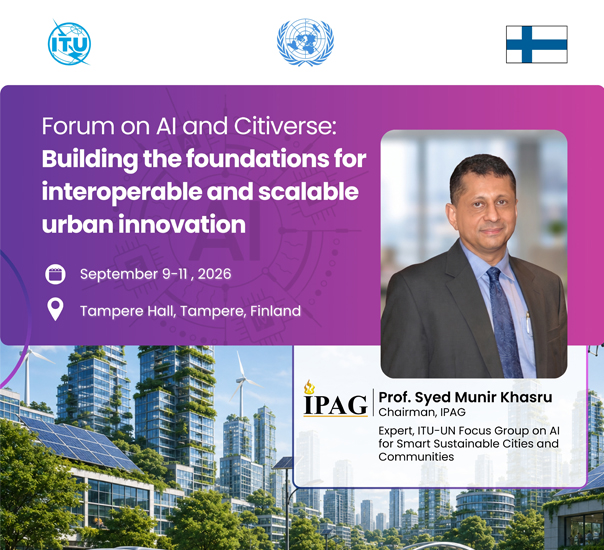
Prof. Syed Munir Khasru, Chairman of the Institute for Policy, Advocacy, and Governance (IPAG), will participate in the ITU Forum on AI and Citiverse 2026 in Tampere, Finland. Following IPAG’s engagement at the AI for Good Global Summit 2026 in Geneva, this participation continues its work on inclusive AI governance, digital transformation, and people-centred approaches […]


0 Comments