With International Women’s Day and World Water Day both observed this month, it is important to question whether the world is doing enough to acknowledge the contribution made by women to water resource management. The United Nations estimates that 2.2 billion people worldwide lack access to safe drinking water. Across the globe, women are disproportionately affected by water shortages, contamination and climate change-related disruptions.
Yet the U.N.’s sixth sustainable development goal (SDG) — to ensure the availability and sustainable management of water and sanitation for all) — is gender-blind, lacking clear indicators that demand data on gender-based accessibility.
Governments across the world also fail to acknowledge the gendered aspect of water, often leaving the voices of women out of decisions at policy level. This is despite the fact that research shows that women have a higher chance of choosing sustainable consumption and water management than men.
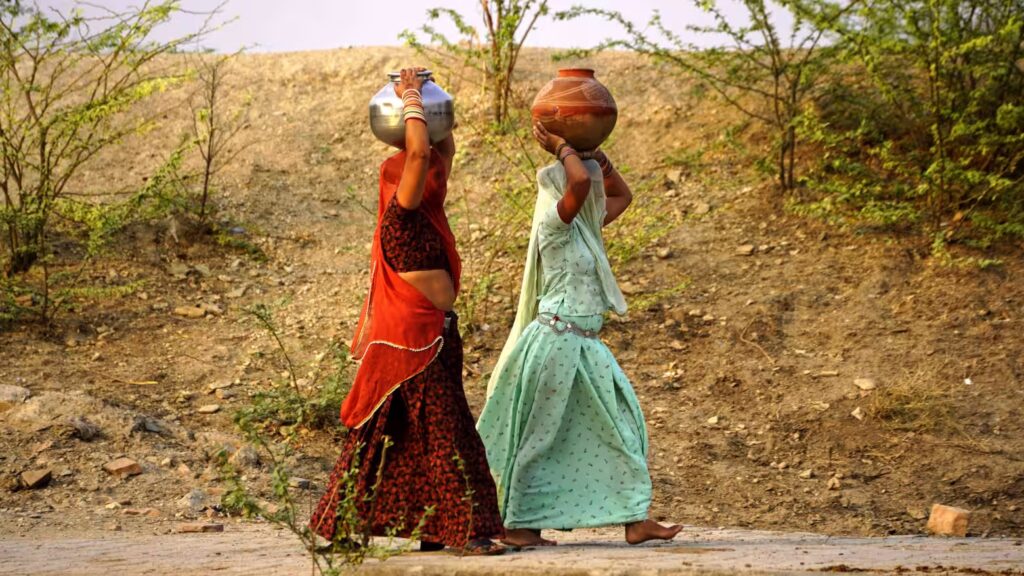
In 80% of households experiencing water shortages, women and girls are primarily responsible for collecting water. Building on that, women and girls worldwide collectively spend 200 million hours collecting water to feed, wash and tend their families as they are mainly in charge of taking care of the household. This lost time has significant economic implications, as it prevents women from engaging in income-generating activities and perpetuates cycles of poverty.
Climate change is further exacerbating these problems following which, by 2050, more than 5 billion people will experience severe water shortages, the U.N. forecasts. As a consequence, women in drought-prone regions will be forced to migrate in search for water, increasing their vulnerability to exploitation and violence.
More than 75% of Asia faces water insecurity, with 90% of the region’s population already on the brink of a water crisis. This growing threat is driven by a combination of factors, including population growth, urbanization, rising water pollution, excessive groundwater extraction, water-related disasters and the impact of climate change.
Access to clean water is not just an environmental concern but a critical issue tied to gender equality and public health across South Asia and Southeast Asia. In Southeast Asia, despite progress in expanding access to clean drinking water, women remain more vulnerable to unsafe water sources, facing higher mortality rates than men. In the case of Indonesia, women account for 29% of deaths linked to unsafe water, compared to 25% for men; while in Laos, the rates are 23% for women and 18% for men. In Vietnam, only 45% of the rural population has access to piped water that meets the standards of the Ministry of Health.
In Nepal, only 41% of surveyed schools had essential menstrual hygiene management facilities, such as covered bins, changing spaces and access to water, leading to dropouts and absenteeism. In India, rural women walk around 5 to 20 kilometers daily to collect water. In Bangladesh, nearly 3.3 million people still lack access to safe drinking water, with women and girls bearing the responsibility of collecting it. This daily burden has severe consequences. Girls are often forced to drop out of school to help with water collection, reducing their chances of obtaining an education and breaking out of poverty.
Addressing the global water crisis requires recognizing women as key stakeholders in water management. On that note, governments, international organizations and the private sector must take action to ensure that water policies are inclusive and gender sensitive.
Given that a large faction of the world lacks access to safe drinking water, investment in water infrastructure is essential, for which governments must prioritize development of piped water systems, community wells, and affordable filtration technology. Expanding infrastructure could save millions of women from spending hours fetching water each day. Second, education and awareness programs must be expanded to challenge social norms that force women into unpaid water-related labor. Water-related professions such as engineering, hydrology, and sanitation should be made more accessible to women through targeted scholarships and training programs.
Third, global commitments to funding water and sanitation initiatives must be strengthened. At present, achieving the SDGs for universal access to safe water and sanitation faces an annual shortfall of between $131.4 billion and $140.8 billion. Developing countries invest around $164.6 billion each year in the water sector, which is only 0.5% of global gross domestic product. Even with this funding gap, a significant portion of allocated funds remain unused, with an annual budget execution rate of about 72%, indicating inefficiencies in fund utilization.
Finally, climate policies must integrate water security and gender equality given that by 2030, water demand will exceed freshwater supply by 40%. Governments must develop climate-resilient water policies that protect the most vulnerable, including women living in drought-prone regions, flood-prone cities and conflict-affected areas.
Improving access to water sanitation and hygiene (WASH) could save 1.4 million lives each year worldwide while delivering significant economic benefits. Achieving universal coverage, particularly by ensuring everyone has access to a safely managed toilet, could generate $86 billion annually through higher productivity and lower health care costs. It could boost school and work attendance by three billion days each year, strengthening economic and social well-being.
Though women and girls are heavily held responsible for water resource management, they seldom make the cut when it comes to decision-making positions. Women make up less than 17% of the WASH workforce in developing countries, with an even smaller share engaged in policy and regulatory roles. Including women in water governance leads to fairer resource distribution and significantly improves project effectiveness, with studies showing a sevenfold increase in success.
Women in leadership drive progress by advancing policies that support women, increasing female hiring and regularizing their presence in decision-making. At least 30% female representation is needed to meaningfully influence decisions, making this a critical goal.
Gender equality benefits everyone, strengthening economies and communities, and improving crisis recovery. At the current rate, the U.N. estimates it will take nearly 300 years to achieve global gender equality, which is unacceptable for an issue affecting half the world’s population. Gender equality must become the norm, not the exception, in water resource management.
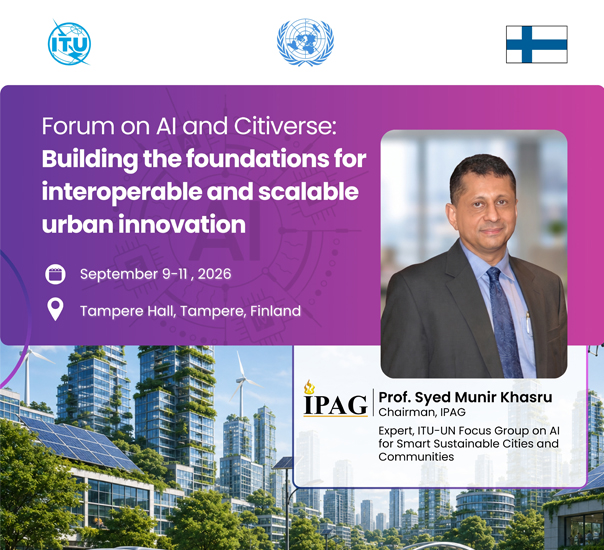
Prof. Syed Munir Khasru, Chairman of the Institute for Policy, Advocacy, and Governance (IPAG), will participate in the ITU Forum on AI and Citiverse 2026 in Tampere, Finland. Following IPAG’s engagement at the AI for Good Global Summit 2026 in Geneva, this participation continues its work on inclusive AI governance, digital transformation, and people-centred approaches […]
With the US G20 Presidency 2026 now underway, the world’s largest economy is setting the stage for a consequential year of global decision-making on growth, innovation, energy security, trade, and finance. The process will culminate in the G20 Leaders’ Summit in Miami, Florida, on December 14–15, 2026 bringing together the leaders of the world’s major […]
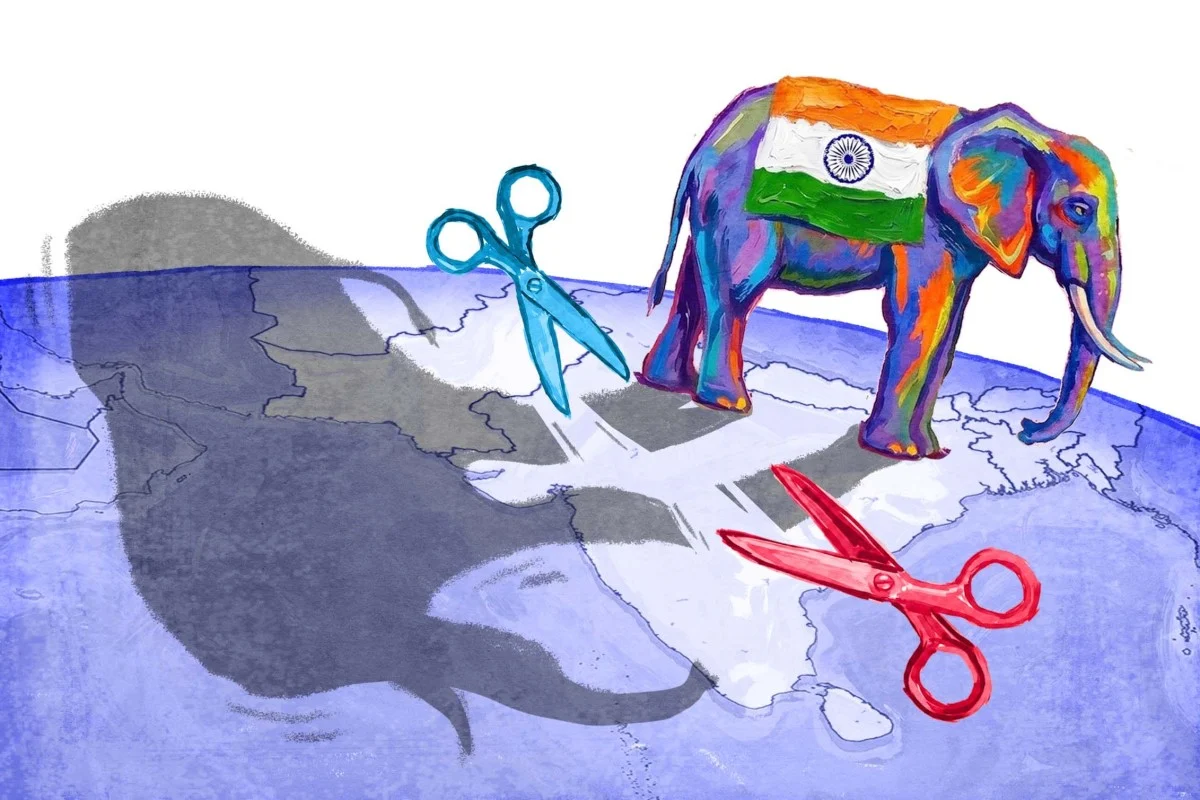
India is being denied the uncontested dominance it once held. The task ahead is not to restore the old hierarchy but to find a new path. Prof. Syed Munir Khasru South China Morning PostJuly 28, 2026 https://www.scmp.com/opinion/asia-opinion/article/3361501/india-losing-its-regional-primacy-beijing-and-washington-move South Asia is undergoing a gradual but important shift. Smaller states now comman


0 Comments